

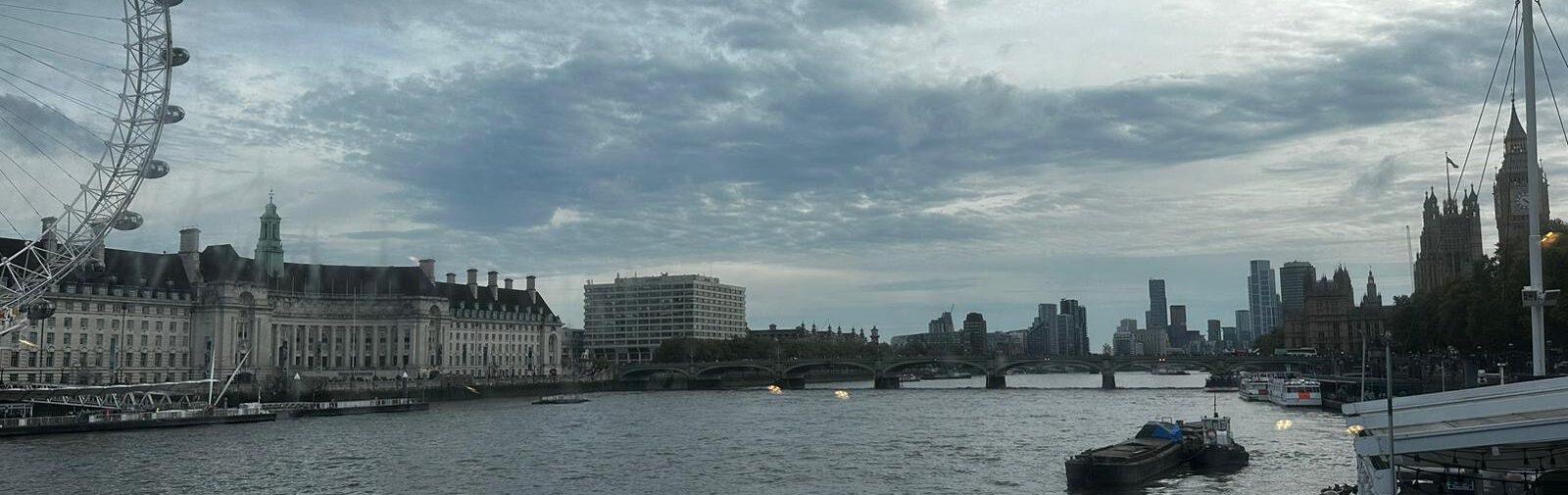
Last week senior leaders from across the e-mobility value chain gathered to discuss challenges and solutions at an e-mobility networking event we hosted in London.
The night comprised many conversations, covering a broad range of topics within the EV and wider green mobility sectors. Experts set out their hopes for the upcoming budget, along with longer-term issues that the UK must address.
Those longer-term topics that stood in starkest relief were:
One clear message we heard discussed repeatedly was the demand for consistency over the zero-emission vehicle (ZEV) mandate, a.k.a., the ‘ICE ban.’ The 2030 ZEV mandate was a compelling deadline and provided clarity for the industry; a legislated ‘backstop’ that electric mobility businesses would have a market to sell to.
The previous Government’s deadline extension to 2035 undermined the security and reassurance that e-mobility companies had. It also sent the wrong message to the public; namely, that so-called important deadlines can be delayed, revealing them to be not that important after all.
Many attendees said this was an issue for them and they hope Labour will stick to its manifesto pledge of returning the ban to 2030. Early messaging from the Department for Transport suggests the Government will reinstate the deadline, though which vehicles it applies to remains unclear.
A recurring theme of the evening was grid connection times and grid capacity, given the unprecedented number of new connections and extra capacity that the e-mobility transition will require.
Several charge point operators raised the need for more grid capacity for their customers’ installations. When located in certain areas, capacity is insufficient, and chargers’ power is derated.
Alongside this, several senior leaders highlighted the time that it takes to get a new grid connection as an issue. This slows public charging installations and fleet transitions.
With a different perspective on the same problem, others in attendance noted that while connection times do need to speed up, the GB grid has a lot of excess capacity. Many sites have spare capacity, but it goes unused. Unlocking it could help ensure that installations are rolled out quicker and not derated.
Almost all attendees at some point commented on the public perception of EVs and how some sections of the press persist in spreading myths about electric cars and talking the industry down.
As two sides of the same coin, there were calls for campaigns to educate people on the benefits of EVs, and for campaigns to combat misinformation. Leaders in the field want to see both.
Some senior leaders were looking forward to 2025 and the promise of more affordable cars – including the Renault 5 E-Tech, which could boost EV ownership. What’s more, campaigning should focus less on the green credentials of EVs and more on the cost savings and practical benefits that owning and driving an electric vehicle will eventually bring.
In a similar vein, some attendees proposed reframing the perceived negatives of electric vehicle ownership as positives, with one attendee commenting; “The time it takes to charge is an opportunity for drivers to reclaim time from their busy schedules for themselves. If you’re mindful about where you charge, you can have coffee, read a book, or do something valuable to you. You don’t need to sit being frustrated for 30 minutes simply waiting. EV driving has so many of these small perks, and people need to be aware of them.”
Some attendees complained about misinformation in general, highlighting that even champions of the green transition, like Energy Secretary Ed Miliband, have falsely claimed EV charging infrastructure is holding back the EV transition when, in fact, the charger rollout rate is higher than the EV adoption rate.
Earlier this month, ChargeUK CEO, Vicky Read, corrected the Energy Secretary on this claim. Attendees at our event noted that the Government needs to listen to industry groups, such as ChargeUK, who represent the voice of the e-mobility sector.
Energy equity and accessibility were topics that came up in many conversations. Attendees emphasised the need for a new green economy to benefit everyone and for rural and less-wealthy areas not to be left behind during the transition to electrified mobility.
To address these issues, attendees were clear. EVs must become more affordable, and there needs to be a strategic approach to the placement of charging infrastructure for underserved communities.
On this second point, some proposed intelligently packaging land parcels in such a way that developers would be obliged to install EV chargers in rural areas as well as ‘prime’ locations.
Increasing competition within the ecosystem was talked about, with some people citing it as one of their top three challenges. This is understandable in a nascent market as new entrants try to establish themselves and look to grow market share in the future.
In addition, others noted that many charging infrastructure providers are unwilling to collaborate on solutions, with some suggesting that the industry needs to ‘grow the pie’ first before competing over who takes the largest slice. In general, attendees asked for more collaboration and communication between players in the e-mobility space. They said that too many players are siloed, which slows our progress toward addressing the common challenge of the energy transition.
Many attendees were looking for more collaboration with energy retailers, connection providers, land developers, and original equipment manufacturers (OEM).
Much more was said on the night, with EV experts commenting on the UK’s lack of battery manufacturing capacity, more support for fleet transitions, and inconsistent local authority planning regulations slowing EV charger installations.
It was a privilege to see so many people in attendance and make connections between leaders driving the green transition. To stay in touch and hear about new events, sign up to our Cleantech News Roundup.